CANCER IS OUR CAUSE
Maximizing impact for patients
Explore Our 2023 Annual Report

Fostering strategic partnerships
Discover our new clinical trial collaboration with Arcus Biosciences.
Read Our News

Advancing our pipeline
Learn about our first pivotal trial in squamous cell carcinoma of the head and neck.
Read Our News

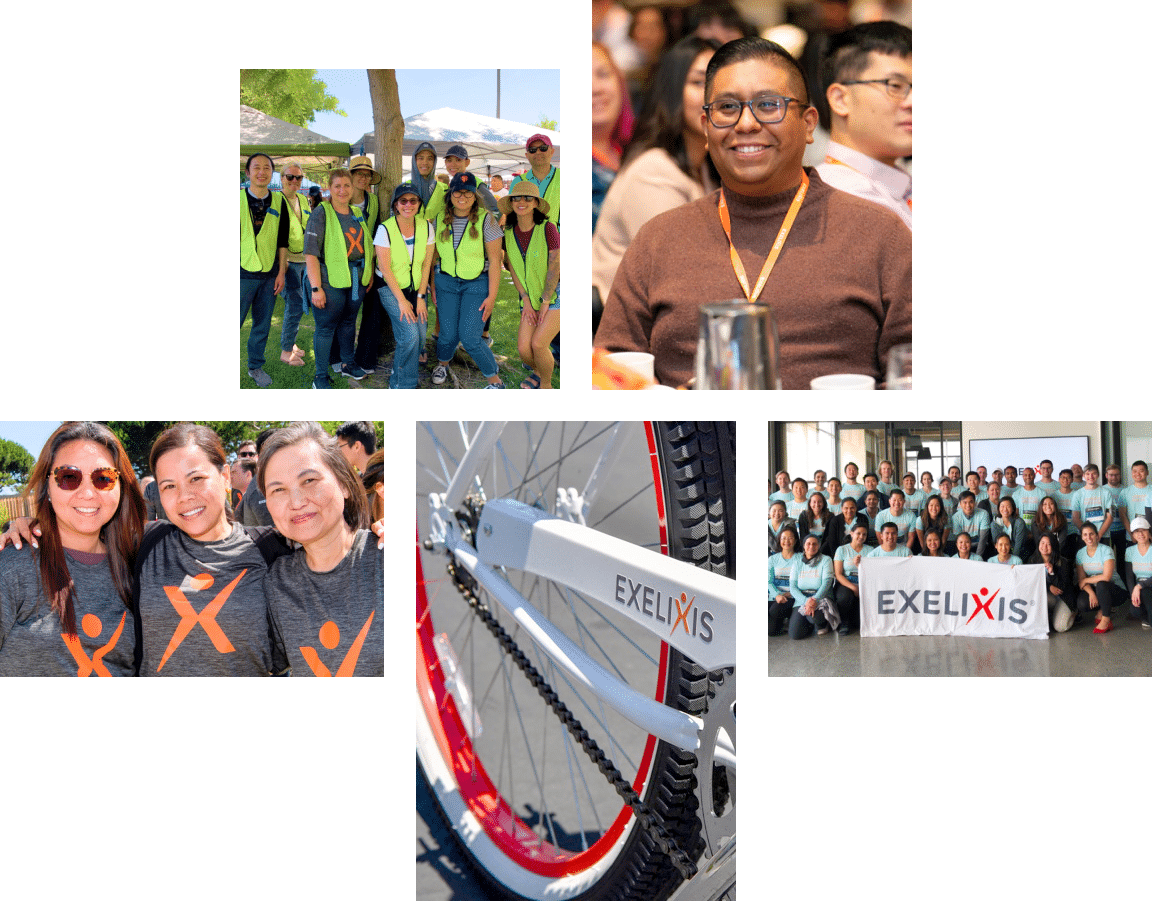
An exceptional employee experience
Experience more purposeful work and fulfilling opportunities.
See Open Jobs

Accelerating our impact in oncology
Develop next-generation cancer medicines with us.
Let’s Collaborate

Building a culture of inclusion
Learn about our journey in creating a diverse, collaborative workforce.
Learn More

Supporting our community
We are champions for causes we believe in.
See Our Impact
Inspired by science

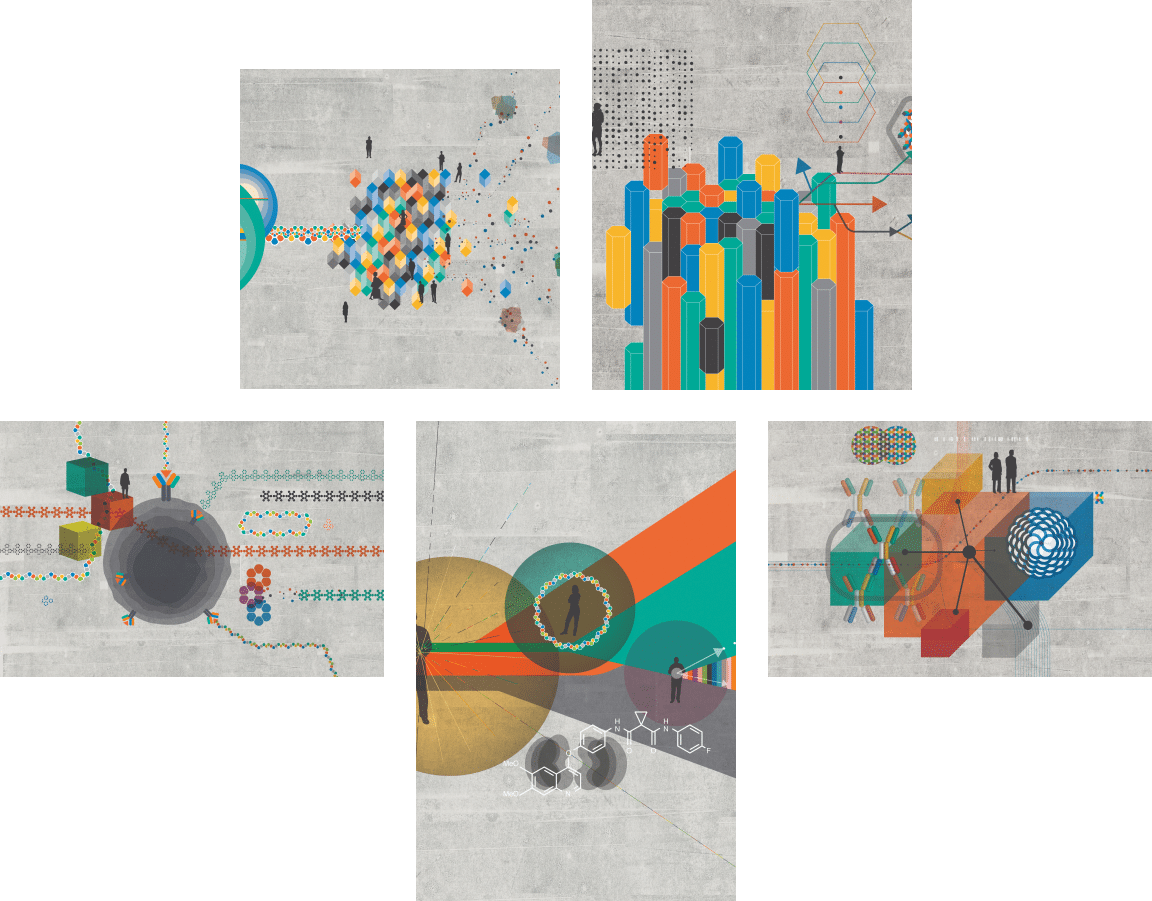
Leveraging deep expertise in chemistry and biology, as well as strategic partnerships, we are advancing various biotherapeutics that have the potential to become anti-cancer therapies, such as bispecific antibodies, antibody-drug conjugates and other innovative treatments.
Our discovery teams are advancing multiple small molecule programs internally and through our industry collaborations.
Our R&D programs include next-generation approaches to established targets, as well as opportunities to be first-in-class by applying a range of modalities and mechanisms of action across biologics and small molecules.